



From the ocean to human health.
We investigate the potential of iodine-rich microalgae to enhance the nutritional value of farmed seabream and contribute to more sustainable food solutions.
- Ref.
- 2025.05429.MAD
- Start
- 2 March 2026
- End
- 1 March 2029
- Location
- Madeira, Portugal
The project
Marine science with a focus on nutrition.
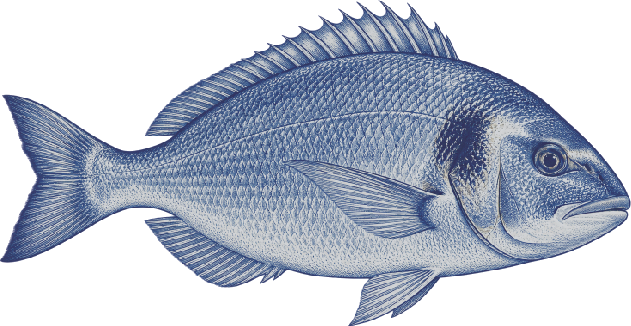
IODISEA is a research project seeking to develop and validate a sustainable iodine biofortification strategy for farmed gilthead seabream (Sparus aurata) using iodine-rich microalgae in fish feed.
By combining marine biotechnology, aquaculture and public health, the research explores how ocean resources can contribute to foods with enhanced nutritional value.
The biofortification journey
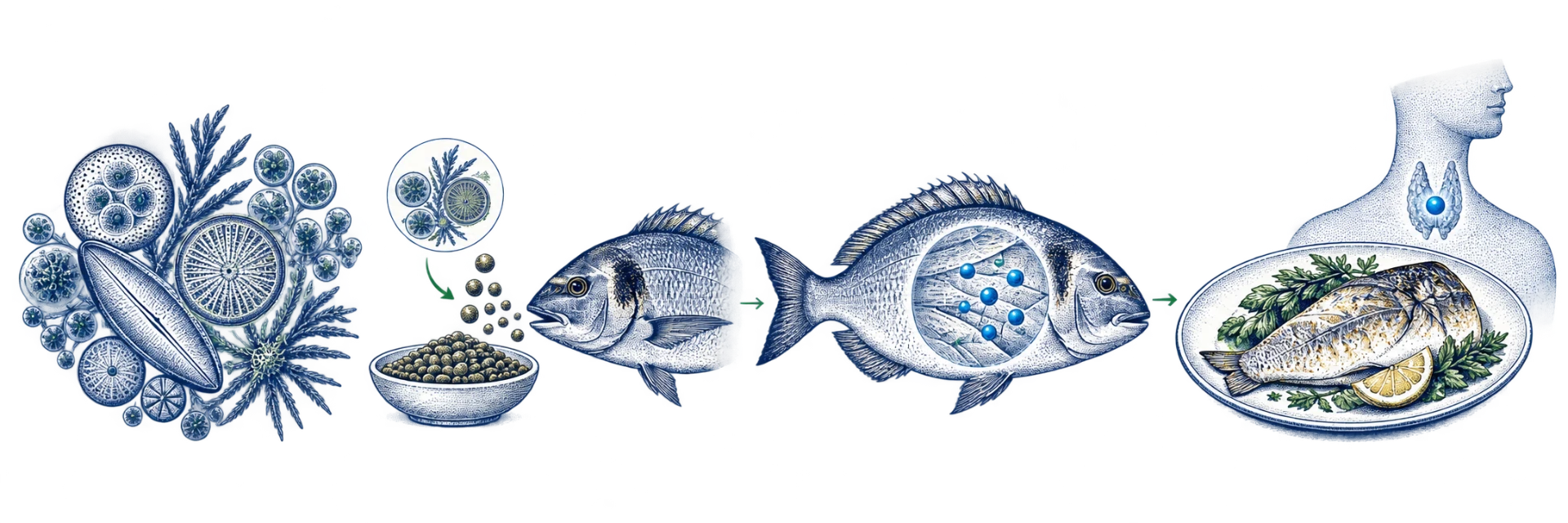
Four stages, from sea to plate.

01
Microalgae
Marine microalgae are studied for their ability to accumulate iodine, an essential micronutrient for human health.
02
Seabream feeding
Selected microalgae are incorporated into experimental feeds developed for gilthead seabream.
03
Biofortification
The research evaluates how enriched feed can increase iodine levels in seabream tissues.
04
Nutrition and health
The project seeks to evaluate whether consuming iodine-biofortified seabream can help improve iodine status in humans.
Iodine and human health
A small nutrient. An essential role.
Iodine is an essential micronutrient required for thyroid hormone production, playing an important role in growth, metabolism and neurological development.
Insufficient iodine intake remains a public health challenge.
IODISEA investigates food biofortification as a potential complementary strategy to help support adequate iodine intake.
Research areas
Three interconnected scientific fields.
i
Marine Biotechnology
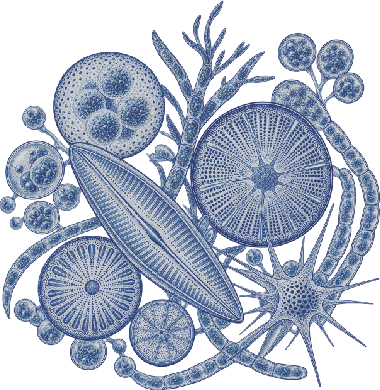
Study of iodine-rich microalgae and their potential application in aquaculture feed.
ii
Sustainable Aquaculture
Development and evaluation of nutritional strategies for iodine enrichment of farmed seabream.
iii
Human Nutrition and Health
Evaluation of iodine bioavailability and the potential nutritional effects of consuming biofortified seabream.
Funded by
This project is funded by national funds through FCT – Fundação para a Ciência e a Tecnologia, I.P., under project 2025.05429.MAD IODISEA.

Scientific partners

Universidade da Madeira

Instituto Nacional de Saúde Doutor Ricardo Jorge
Serviço de Saúde da Região Autónoma da Madeira — SESARAM, EPERAM
Sustainable Development Goals

SDG 2 — Zero Hunger
The project aims to contribute to the production of foods with enhanced nutritional value through sustainable aquaculture.

SDG 3 — Good Health and Well-Being
By investigating the iodine enrichment of seabream, the research aims to contribute to preventing iodine deficiency in the population.
SDG 14 — Life Below Water
Using microalgae as a natural source of iodine aims to value marine resources in a sustainable way.